Africa Is Not the World's Dumping Ground

Evidence, advocacy, and action hub to stop toxic electronic waste imports.

AFRICA IS NOT THE WORLD'S DUMPING GROUND.

CSRTA Brand Hero Visual

The Accra-Helsinki Group

The Accra-Helsinki Group website is graciously hosted by CSRTA. Click here to access the latest information on the Group's activities.

Advocacy Hub Portal

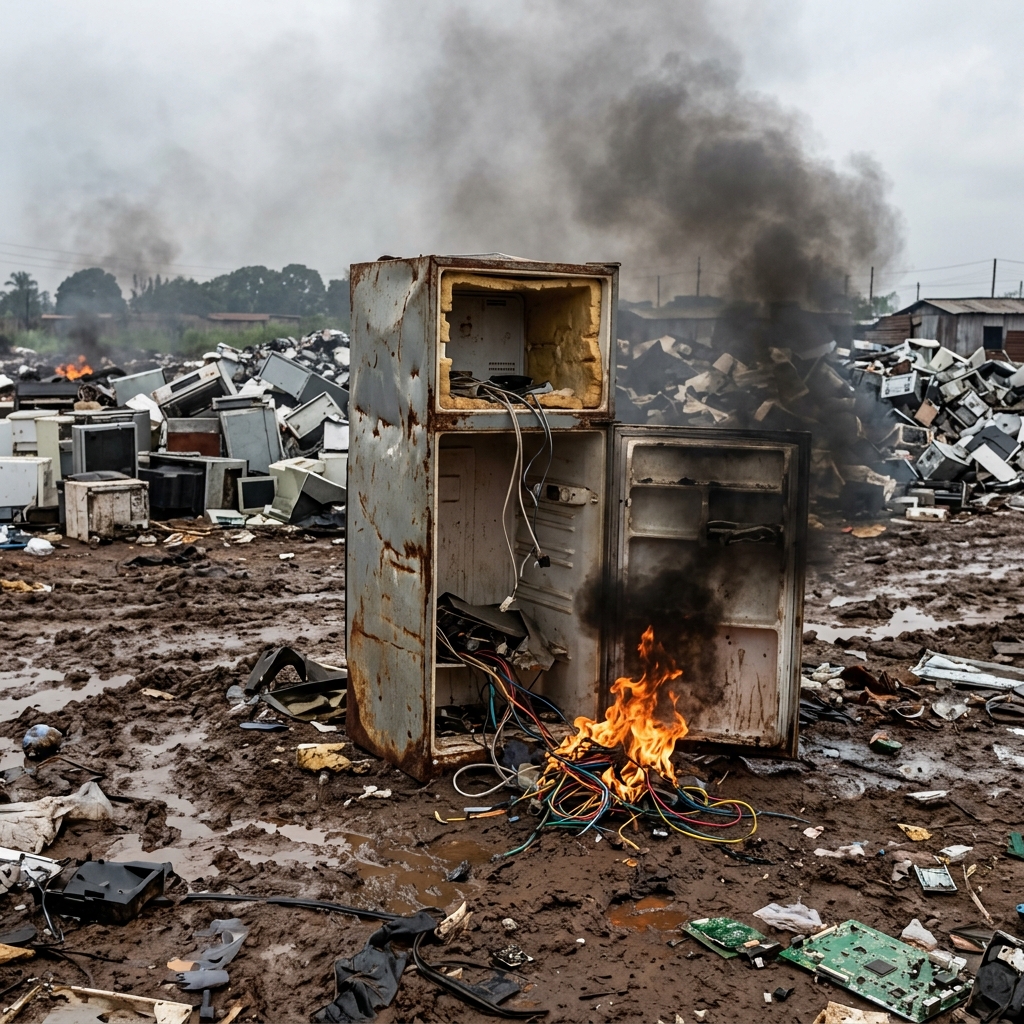
Africa is not a dumping ground for used, inefficient, and obsolete appliances, especially cooling appliances with obsolete refrigerants that are harmful to the environment.

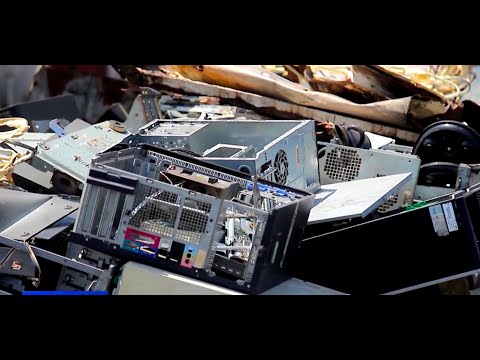
Used household appliances and electronics from North America, Europe, and Asia are routinely shipped to Africa under the guise of reuse or repair, but a large share (estimates 25–75%) arrive as useless waste. These flows exploit international regulatory loopholes to bypass global agreements.

Useless Waste Rate

25% – 75%

Of appliance imports arrive as non-functional, unmarketable electronic scrap.

New but inefficient Air-cons

~80%

of air-conditioners manufactured in or imported to Africa are inefficient and require obsolete refrigerants.

Child Mortality

+10%

increase in infant mortality for births near informal open-burning sites often used for disposal of dumped household appliances and electronics.

Interactive Dumping Hotspots Map

Pins point to major toxic scrapyards and transit ports across Africa.

Global Shipping Routes Map

Traces global export lanes from EU, USA, and China to West and East Africa.

Types of Waste Illegally Imported

Understanding which appliance and textile categories dominate illegal trade volumes.

  • Electronics and Computer Displays Cathode Ray Tube (CRT) and Liquid Crystal Display (LCD) screens containing mercury.
  • Refrigerators & Air-Cons Leaking HCFC greenhouse cooling refrigerant gases (e.g. R-22).
  • Washing Machines & Other Appliances Large structural metal enclosures and heavy motors.
  • Degraded Solar Panels Degraded solar cells shipped under the cover of donations.

Research & Evidence Repository

Read academic peer-reviewed publications, NGO investigations, and verified UN reports regarding the global e-waste trade.

Find and Read Publications

AI Study Assistant

Answers queries using only verified research library files, providing citations.

💡 Obsolete dumping problem 🛡️ Appliance standards 📜 Waste treaties ⚠️ Soil lead & health 🏢 CSRTA Mission

CSRTA Assistant: Welcome to the E-Waste Advocacy & Montreal Compliance Portal! I can assist you based on your role pathway:

  • General Public: Ask about ozone layer depletion, environmental dumping, health impacts, or how you can get involved.
  • Businesses & Industry: Ask about licensing quotas, pre-screening checks, or refrigeration import restrictions.
  • Certified Technicians: Ask about safety training, alternative refrigerants like R-290, or permit compliance.
  • Researchers & Policymakers: Ask about Comtrade data, statutory acts, MEPS ratings, or scientific treaty details.

Feel free to ask any question below or select a prefilled question tag above!

Countries & Data Comparison

Analyze country profile indices, import statistics, dumping sites, recycling rates, and dashboards.

Country Profile Inspector

Local News & Response

Annual E-Waste Imports (Tonnes)

Recycling Rate Discrepancies (%)

Health & Environment Damage

Analyze how chemical exposure triggers organ diseases, soil poisoning, and environmental runoffs.

Human Toxicity Organ Map

Toxic Elements and Chemicals Snapshot

Lead (Pb)

Source: Cathode Ray Tubes (CRT) glass, solder joints in printed circuit boards.

Target Organs: Brain / Central Nervous System, Kidneys.


  • Exposure Pathway: Leaches into soil and groundwater table
  • Eco-Alternative: Lead-free solder (Tin-Copper-Silver).

Ecosystem Before-and-After Comparison

Drag slider to compare pristine products against scrap dumping yard realities.

Toxic Scrapyard Scrapyard (Agbogbloshie)
Clean Kitchen Lifecycle Origin (Europe)

Environmental Incidents Map

Coordinates mapping river contamination, soil toxicity, and air quality index limits.

Laws, Standards & Accountability

Audit international waste treaties, evaluate country compliance metrics, and compare environmental readiness scores.

International Treaties & Standards

Basel Convention (1989)

Bans hazardous waste shipments to states lacking disposal systems. OECD export limits bypass via 'used' claims.

Bamako Convention (1991)

African treaty prohibiting any hazardous waste import entirely. Enforcements remain uneven regional hurdles.

Kigali Amendment (2016)

Forces gradual phase-down of ozone-depleting greenhouse refrigerant gases (HFCs) used in cooling gear.

Standards Comparison Dashboard ⭐

Side-by-side comparison of Basel, Bamako, E-waste legislation, import bans, and Extended Producer Responsibility (EPR) parameters.

Country Basel Party Bamako Party E-Waste Law Import Ban EPR Framework Recycling Capacity Enforcement Audit
Ghana Yes Yes Yes Partial (Coolers) Yes Medium Medium
Nigeria Yes No Partial Partial Draft Status Low Low
Kenya Yes Yes Yes Partial Yes Medium Medium
Rwanda Yes Yes Yes Strong Yes High High

Model Country Scorecard (Readiness Grade)

Score metrics compared against WHO, UNEP, and international environmental directives.

Category Score (0-100)
Import Controls (Pre-shipment verification) 82
Enforcement (Port inspection audits) 65
Recycling Infrastructure (Smelters, disassembly parks) 41
Public Awareness (NGO & media campaign outlays) 58
Environmental Monitoring (GIS water & soil registries) 72
Overall Readiness Score 64

Best Practices & Model Standards

Rwanda Model: Enforces strong limits on obsolete equipment, routing shipments to centralized disassembly parks, ensuring zero toxic wire open burning.

EU Directives: Incorporate strict 'End-of-Waste' criteria forcing exporters to physically verify appliance functionality prior to shipping clearances, cutting smuggling routes.

Appliance Standards as an Anti-Dumping Tool

Minimum Energy Performance Standards (MEPS) and mandatory energy labeling are powerful regulatory barriers. By setting strict efficiency benchmarks and banning obsolete refrigerants, African nations can legally block the dumping of substandard, high-consuming cooling appliances.

Ghana
Pioneering MEPS (2013)

Enforces strict MEPS bans on used refrigerators and air conditioners. Ghana was among the first in Africa to implement energy labeling as a direct shield against dumping.

Kenya
Energy Act MEPS

Kenya mandates energy labels and strict performance benchmarks for refrigeration and cooling units, restricting obsolete imports at ports of entry.

South Africa
Compulsory Labeling

Enforces compulsory energy efficiency labeling and MEPS across domestic appliances, establishing legal standards for all commercial imports.

Rwanda
National Strategy

Rwanda operates MEPS for cooling equipment linked to its national green growth plans, actively blocking appliances with high global warming potential.

Climate Commitments & Accelerator Programs

National e-waste restrictions contribute directly to countries' international climate pledges and cleaner air milestones.

NDC Accelerator Support

Integrating cooling sector mitigation into Nationally Determined Contributions (NDCs) and national emissions targets.

Global Methane Pledge & FFRP

Curbing methane emissions from open dumps and coordinating fossil fuel regulatory alignments.

Clean Air & LOW-Methane Flagships

Implementing strategic global collaborations on clean air metrics and low-emission farming transformations.

Stories & Media Feed

Watch documentaries, read local investigations, review milestone timelines, and debunking donation myths.

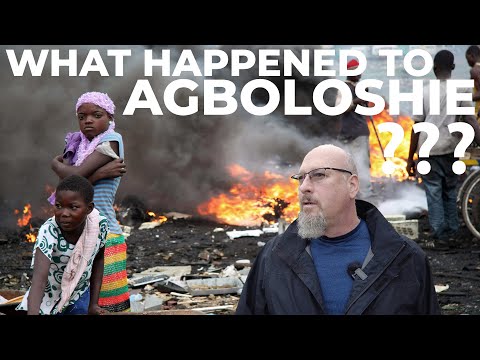
Agbogbloshie Thumbnail 12:15
Ghana: A Week in a Toxic Waste Dump

Explores the Agbogbloshie electronic waste site, examining hazardous recycling conditions.

TED Talk Thumbnail 08:40
What a Scrapyard in Ghana Can Teach Us

TED Talk on circular design, local makerspaces, and recycling innovation in scrap yards.

Agbogbloshie Inside Thumbnail 15:30
Inside Agbogbloshie Electronic Dump

A deep look at the realities of the informal electronic waste dismantling economy in Ghana.

Agbogbloshie Toxic Dump Thumbnail 10:20
Agbogbloshie: The Most Toxic Place on Earth

Documentary detailing the heavy metal contamination and human stories inside the scrapyard.

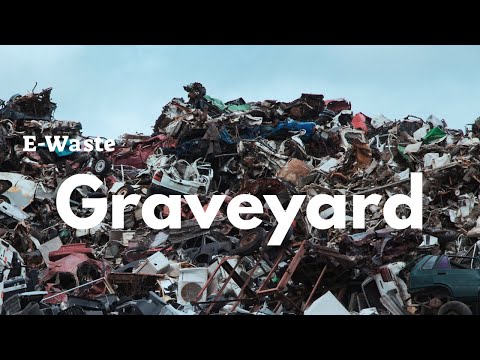
Agbogbloshie Graveyard Thumbnail 14:20
Agbogbloshie: Life in the E-Waste Graveyard

Follows the daily routines and survival stories of workers dismantling discarded devices in Accra's dumpsite.

BBC Click Thumbnail 05:15
Computer Recycling West Africa Style

BBC News–Click report on the localized computer repair, recovery, and scrap stripping economy.

Informal Stripping Thumbnail 00:50
Informal Scrap Copper Extraction

Short video highlighting manual copper stripping hazards inside Agbogbloshie.

Incineration Hazards Thumbnail 00:58
Incineration Hazards at Agbogbloshie

Short clip detailing the open-air cable fires used to salvage metal ores from insulation casings.

Green Jobs Thumbnail 03:40
Ghana Tackles E-Waste with Green Jobs

News report on formalizing the scrap recycling chain and introducing safe green jobs initiatives.

Used Cooling Shipments Audit Thumbnail Local
Used Cooling Shipments Audit

CSRTA field evidence capturing the inspection of obsolete refrigerating imports at ports (9:36 AM).

Stop Obsolescence Dumping Thumbnail Local
Stop Obsolescence Dumping Campaign

CSRTA campaign broadcast highlighting the environmental and economic impacts of cooling waste (9:35 AM).

Local News & Government Actions

Timeline of Treaties and National Efforts

Myth vs Reality

Click the cards to flip and debunk donation excuses.

"They're donating electronics."

Click to reveal the reality...

"Used appliances help Africa."

Click to reveal the reality...

"It's recycling."

Click to reveal the reality...

Media Resources

Access our CCAC press packages, global campaign graphics, and clean cooling video assets.

Subscribe to Newsletter

Get monthly digests on research publications, events meetings, and policy decisions.

Advocacy Solutions & Circular Programs

Appliance and e-waste dismantling initiatives, circular economy repair programs, and action options.

Successful Initiatives

Rwanda (Bugesera): Established designated e-waste dropoff hubs, sending obsolete boards to certified metal recovery refineries.

Ghana (Levy Systems): Enforced levy tax collections on EEE imports under Act 917, funding municipal collection points.

Policy Recommendations

Citing the 2022 CLASP/IGSD study ("The Importance of Stopping Environmental Dumping in Ghana"), we recommend a shared-responsibility anti-dumping policy framework:

1. For Importing Nations (Ghana/Africa):
• Strict Port Enforcement: Enforce rigorous customs checks to block illegal used appliances disguised as personal effects.
• Upgraded Standards: Regularly update and enforce strict Minimum Energy Performance Standards (MEPS) and eco-labeling.
• Capacity Building: Equip national energy commissions and customs with advanced technical audit tools.

2. For Exporting Nations:
• Export Restrictions: Update legal frameworks to prohibit exporting cooling equipment that is illegal to sell domestically due to environmental or efficiency rules (ending "toxic colonialism").

3. For Global Manufacturers:
• Stop Obsolete Technology Sales: Cease producing and exporting low-efficiency appliances or those with obsolete, high-GWP refrigerants to developing markets.

CCAC Focus Sector Hubs

Mitigating short-lived climate pollutants (SLCPs) across key developmental hubs.

  • Cooling Hub Phasing down hydrofluorocarbons (HFCs) and promoting efficient refrigerators.
  • Waste Hub Phasing out open dumpsite burning, cutting black carbon and methane releases.
  • Household Energy Integrating clean cookstoves and sustainable solar power structures.
  • Heavy-Duty Vehicles Strict standards on used vehicle imports and lead battery scrap routing.
  • Agriculture Hub Reducing tropospheric ozone precursors that stunt food crops.
  • National Planning Mainstreaming SLCP controls into national greenhouse gas inventories.

Benefits of Action

Climate

Phasing down high-GWP HFCs can prevent up to 0.5°C of global warming by 2100.

Health

Preventing cable burning cuts black carbon soot, reducing pediatric neurological disease.

Food Security

Mitigating tropospheric ozone increases agricultural crop yields for regional farmers.

Get Involved & Take Action

Submit secret dump logs, sign regional legislative petitions, and download campaign flyers.

Log Secret Report

Active Petitions

12,400 Signatures
Demand Bamako Convention Ratification

8,950 Signatures
Fund Mandatory Customs Inspections

Educational Slide Decks & Booklet Downloads

School Presentation Slides

PowerPoint slides for teachers.

Download
Infographic: Dumpsite Health Risks

Poster fact sheets PDF.

Download

Open Data Center

Download clean campaign datasets, GIS coordinate logs, and integrate our public API endpoints.

Download Datasets

Used Appliance Flow Data (CSV)

UN Comtrade export/import codes tracker.

CSV
Scrapyard Soil Readings (JSON)

GIS coordinates of soil lead/cadmium tests.

JSON

Public REST API Specifications

Developers can fetch real-time environmental incident alerts using our JSON endpoints:

GET /api/v1/incidents

Query parameters support filtering by country code and toxic chemical keys.

CSRTA Activities & Field Deployments

CSRTA regularly engages in workshops, regional side events, advocacy programs, and local community sensitization to drive climate ambition and restrict environmental dumping across Africa.

October 2025
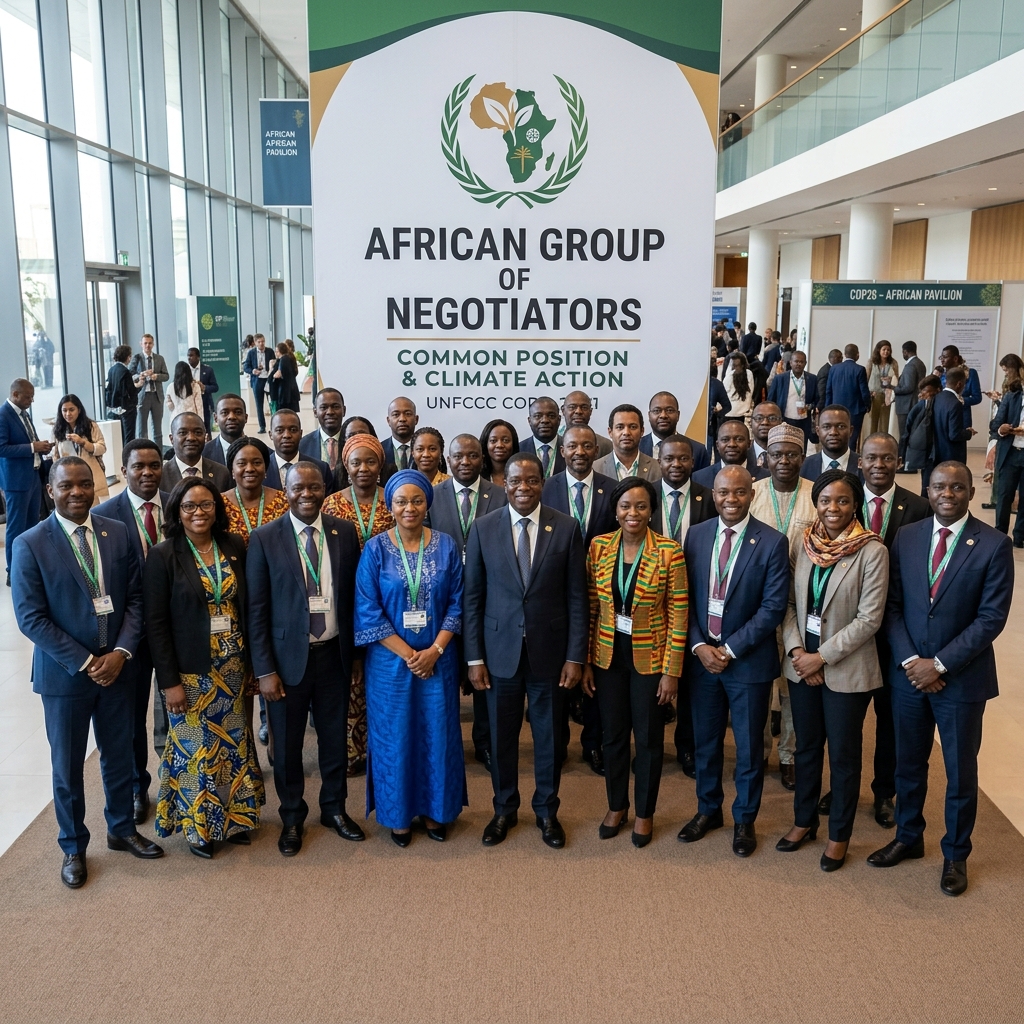
AGN Sustainable Cooling Launch (Dakar)

CSRTA supported the formal launch of the African Group of Negotiators (AGN) on Sustainable Cooling in Dakar, consolidating a unified platform for African treaty negotiators under the Montreal Protocol.

November 2024 / 2025
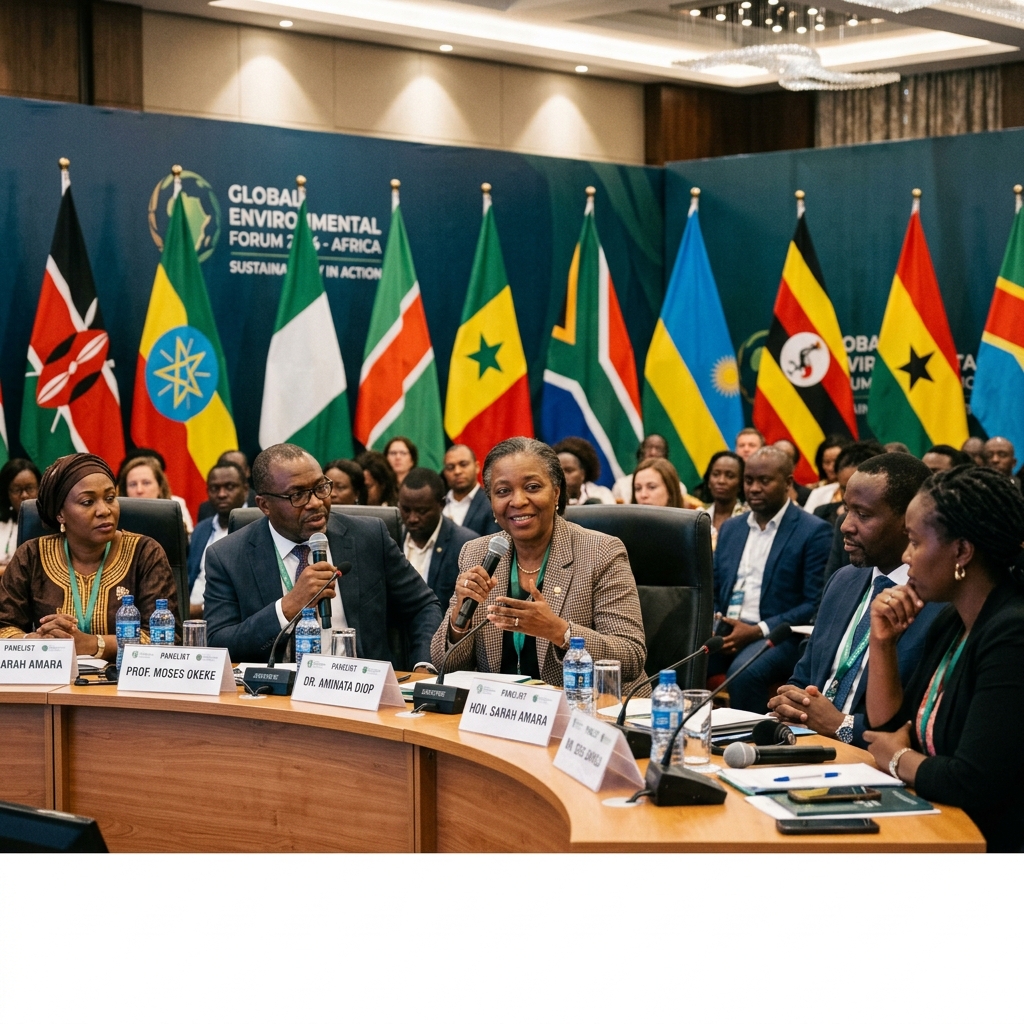
Side Events at Meetings of the Parties (Bangkok & Nairobi)

Co-hosted high-level side events alongside the Accra‑Helsinki Group during Montreal Protocol MOP sessions to debate solutions for stopping refrigerant dumping in developing countries.

June 2024
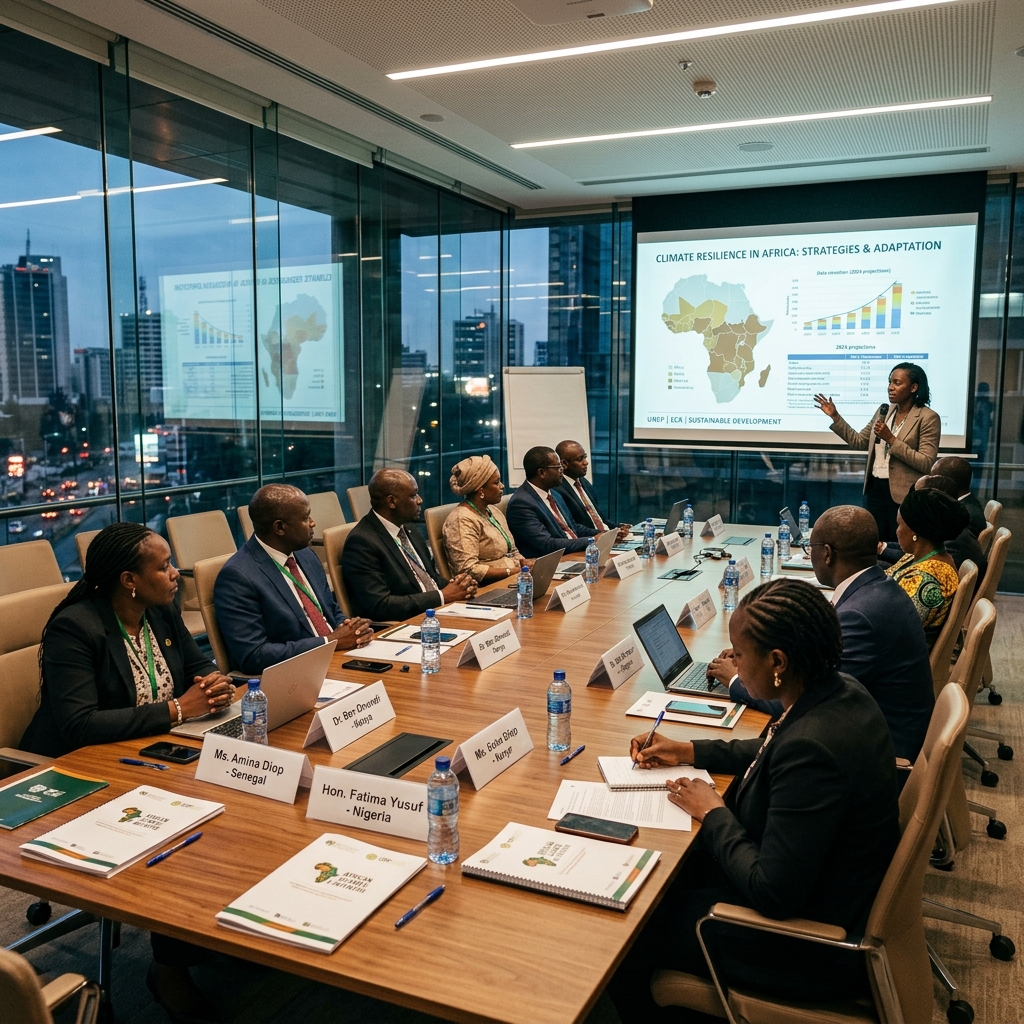
Paris Capacity-Building Workshop

Organized an intensive negotiation and regulatory-skills workshop in Paris for climate experts to strengthen technical representation on environmental lock-ins.

February 2020
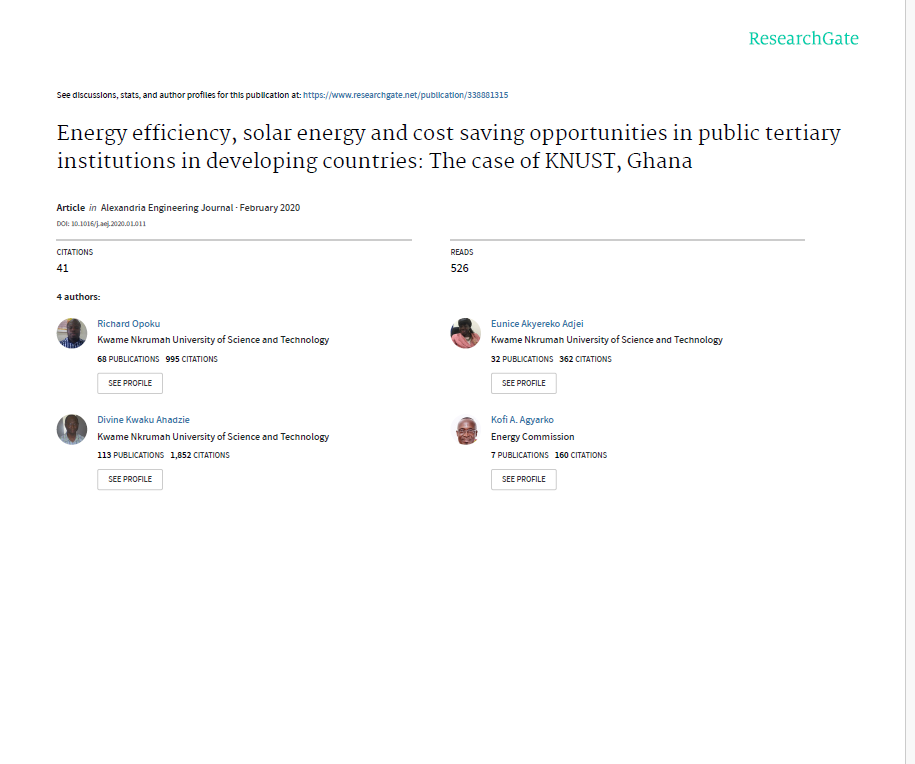
Scientific Publication: KNUST Energy Efficiency Study

CSRTA members co-authored and published a landmark study in the Alexandria Engineering Journal exploring energy efficiency and solar cost-saving opportunities in public tertiary institutions (Case study: KNUST, Ghana).

Campaign Photo Gallery

CSRTA Activity

Montreal Protocol & Ozone Protection

Track the international treaty's goals, phase-out timeline of ozone-depleting substances (ODS), and engage with the specialized AI Agents.

Select Your Role Pathway

General Public

Learn about the Montreal Protocol, ozone layer dynamics, and why atmospheric protection matters.

Businesses & Industry

Access licensing rules, quota allocations, pre-screening checkers, and approved cooling guides.

Technicians

Explore safety certification requirements, R-290 training workshops, and technician permit logs.

Researchers & Policy

Read scientific assessments, regulatory Acts, and download baseline ODS datasets.

Treaty Overview & Why It Matters

Adopted on September 16, 1987, the Montreal Protocol is a landmark international agreement designed to protect Earth's stratospheric ozone layer by phasing out the production and consumption of ozone-depleting substances (ODS). It is one of the most successful environmental treaties in history, achieving universal ratification from 198 parties.

Why Ozone Protection Matters

The ozone layer acts as a shield, absorbing harmful solar ultraviolet (UV) radiation. Depletion of this shield leads to:

  • Increased risk of skin cancers and eye cataracts.
  • Weakened immune systems in humans.
  • Reduced agricultural crop yields and disrupted ecosystems.
  • Damage to phytoplankton and marine food webs.
Controlled Substances & Phase-Out Status
Substance Common Uses Ozone Depleting Potential (ODP) Status
CFCs Refrigerators, Aerosols High (1.0) Phased Out
Halons Fire Extinguishers Very High (3.0 - 10.0) Phased Out
Methyl Bromide Soil Fumigant, Agriculture Medium (0.6) Restricted
HCFCs ACs, Foam Blowing Low (0.01 - 0.1) Phasing Out
The Kigali Amendment (2016)

Adopted to phase down Hydrofluorocarbons (HFCs). While HFCs do not deplete the ozone layer directly, they are potent greenhouse gases with high Global Warming Potential (GWP). Phasing them down is projected to avoid up to 0.5°C of global warming by 2100.

Downloadable Resources & Documents

Montreal Protocol AI Portal 🤖

Select a specialized AI Agent Persona to answer compliance, scientific, or policy questions.

Public Education Agent: Hello! I explain the science of the ozone layer and why the Montreal Protocol matters. Ask me why the ozone layer is disappearing, or how UV radiation impacts health!
Treaty Statistics Dashboard
ODS Phased Out

> 99%

Ozone Layer Recovery

By ~2060

Ozone & Climate Statistics Dashboard

Historical decline, transboundary trade volumes, and projected ozone layer recovery trends.

News, Events & Success Stories

Updates on training events, upcoming MOP meetings, success stories, and press releases.

🏆 Success Story Active Impact
Ghana Blocks 12,000+ Obsolete Refrigerators

Ghana's Energy Commission confirms that its MEPS import ban on used cooling equipment has successfully prevented the dumping of over 12,000 obsolete inefficient devices, conserving grid power and preventing GWP emissions.

📣 Press Release June 2026
CSRTA Calls for Accelerated Kigali Compliance

At the preparatory meeting for MOP 36, CSRTA advocates for stronger regional compliance frameworks and technology transfer funding to assist Sub-Saharan African cooling appliance conversions.

📅 Upcoming Meeting Oct 2026
36th Meeting of the Parties (MOP 36)

The official international assembly under the Montreal Protocol will meet in Montreal, Canada, to negotiate new funding cycles for the Multilateral Fund and HFC replacements.

🔧 Training & Workshop Sept 2026
National R-290 Safety Training Workshop

Organized training sessions for local technicians on safety regulations, handling flammability risks of hydrocarbon refrigerants, and retrofitting splits in Accra, Ghana.

🌍 Ozone Day Activities Sept 16, 2026
Public Awareness and Scientific Seminars

Observance of International Ozone Day across primary school hubs and university science centers in Nairobi, Kenya. Features guest lectures on Kigali cooling solutions.

Global Ratification Map & Tracker

Click the map pins or select a country to see treaty status and compliance grades.

Ghana (West Africa Hub)
Montreal Ratification: 1989
Kigali Ratification: 2019
Licensing compliance: Grade A
ODS Phase-Out Rate: 99.2%

Interactive Milestones Timeline (1985 - Present)

Click the timeline year buttons below to explore historical ozone defense turning points.

1987: Montreal Protocol Opened for Signature

Adopted on September 16, 1987, the landmark protocol established quantitative phase-out limits for chemical substances deplete earth's ozone shield (principally CFCs and halons).

Brief History of CSRTA

The Center for Shared Responsibility and Technology Ambition (CSRTA) was inspired by the collaboration between the Energy Commission of Ghana and the Environmental Protection Agency on behalf of all of Africa to prevent environmentally harmful product dumping. That work is not yet done, and the government continues to work on it. However, there is much that the non-profit, public-interest sector can do, and CSRTA is eager to assist.

The idea for the formation of CSRTA emerged during the 44th meeting of the Open-Ended Working Group of the Parties to the Montreal Protocol, held in Bangkok in 2022. At that meeting, the African delegation—led by Ghana—submitted a conference room paper proposing the use of the Protocol to restrict shipments of cooling appliances containing obsolete refrigerants harmful to the ozone layer. The negotiations revealed a persistent capacity gap among developing countries (Article 5 Parties), particularly in complex technical negotiations. As a result, Africa’s perspectives are often under-represented in decisions that ultimately bind all Parties.

Additionally, the Montreal Protocol has adopted decisions to phase out and phase down harmful fluorinated refrigerants, but given inadequate policies in Africa, in particular, and across the Global South in general, to insulate jurisdictions against the dumping of inefficient cooling appliances that use obsolete refrigerants. This creates the risk that obsolete technology will be dumped in Africa before the deadlines, thereby creating banks of ozone-depleting substances (ODS) in Africa.

Moreover, there are inadequate champions in Africa to fight the dumping menace and prevent the continent from becoming a dumping ground for obsolete technologies. There is a need to incubate and develop champions to influence policy and raise ambition on the issue of dumping.

The CSRTA has therefore been established to strengthen the negotiating capacity of the African Group of Negotiators, promote higher environmental ambition, and cultivate a new generation of African leaders committed to preventing the continent from becoming a destination for obsolete technologies.

Core Focus Areas

CSRTA works with Earth Champion organizations and global partners to advance mitigation and adaptation strategies aligned with the Paris Agreement.

We also focus on:

  1. Amplifying Africa's voice in climate negotiations by empowering a new generation of African climate champions to lead the change.
  2. Benefiting Africa from next-generation, climate-friendly technologies in multiple sectors.
  3. Raising the next generation of climate champions in Africa to push the climate ambition.
Our Mission

To accelerate climate solutions by fostering shared responsibility across sectors and advancing bold, equitable technology pathways that safeguard the planet and empower future generations.

Our Vision

A world where shared responsibility and ambitious technology drive a just and sustainable climate future for all.

Our Core Values
  • Equity: We believe in a world where technology serves all communities, especially the most vulnerable.
  • Innovation: We design scalable, evidence-based solutions that accelerate climate mitigation and adaptation.
  • Collaboration: We cherish government, industries, communities, and individuals working together towards the common goal.
  • Environmental Justice and Sustainability: We uphold respect for all countries, regardless of their economic power, when dealing with matters affecting the climate and the environment, to ensure that the benefits of progress are fair and lasting.
  • Inclusive Leadership: We believe in "stronger together" so we value every voice, break down barriers to participation, and create an environment where everyone can contribute, belong, and grow together.
Our Symbol & Philosophy

This symbol—a rotating fan blade—takes inspiration from the Adinkra symbols and represents cutting a path forward: pioneering, trailblazing, and leadership in motion.

In the Ghanaian context, it reflects a timeless adage: the one carving a path does not know whether the path will become crooked. True leadership, therefore, is not about certainty, but about courage, humility, and responsiveness.

The symbol also speaks to feedback and collaboration. Progress is refined through dialogue, and leaders grow stronger when they remain open to critique. We become better—individually and collectively—when we invite diverse perspectives and learn as we lead.
Board of Directors

  • Dr. Samuel Twimasi-Ankrah (Chairman) President of Heritage Christian University, Afiaman. Accra.
  • Adwoa Aninwaa Agyarko (Member) Educator, Al-Rayan International School, Accra.
  • Kofi Adu Agyarko (CEO/Member) Retired Public Servant. Energy Efficiency Expert.

Partners & Scientific Coalitions

CSRTA works closely with global scientific coalitions, state partners, and expert panels to align local e-waste remediation strategies with international protocols.

Montreal Protocol Scientific Advisory Panel

Delivers expert academic findings and modeling assessments regarding short-lived climate pollutants (SLCPs).

Montreal Protocol TEAP Advisory Hub

Technology and Economic Assessment Panel provides guidance on chemical alternatives and transition outlays.

Global Partners

Consisting of state and non-state actors enforcing 2030 strategies and administering local trust funds.

CSRTA Zero-Tolerance Policy on Corruption & Mismanagement

The Board of Directors and Executive Council of the CSRTA maintain an absolute **Zero-Tolerance Policy** toward all forms of fraud, bribery, corruption, kickbacks, nepotism, or financial mismanagement. Safeguarding the integrity of environmental projects is our highest priority. Any violation results in immediate contract cancellations, termination, and direct reporting to legal authorities.

Campaign Partners & Coalitions

Collaborative partnerships spanning public agencies, academic institutions, NGOs, and international organizations fighting dumping.

Scientific, Academic & Research Partners

Kwame Nkrumah University of Science and Technology (KNUST)

CSRTA's primary academic collaborator in Ghana conducting lifecycle energy efficiency audits and solar load assessments on public tertiary structures.

www.knust.edu.gh
Council for Scientific and Industrial Research (CSIR)

Ghana's chief research body assisting with environmental soil toxicity reporting, air pollution metrics, and heavy metal tracking around scrapyard zones.

www.csir.org.gh
International Advisory Coalitions (UNEP & CCAC)

The United Nations Environment Programme Ozone Secretariat and Climate & Clean Air Coalition provide policy support, MEPS toolkits, and emissions mitigation metrics.

UNEP Ozone | CCAC
The Accra-Helsinki Group

An allied coalition co-hosting high-level side events during Montreal Protocol MOP sessions to debate solutions for stopping refrigerant dumping in developing countries.

Government Agencies & Industry Coalitions

Ghana Energy Commission

The national regulatory authority enforcing the minimum energy performance standards (MEPS) and appliance labeling since 2005.

www.energycom.gov.gh
Ghana Association of Refrigerator Engineers (GARE)

Encompasses local refrigeration technicians and repair centers driving safe retrofit implementations and transition to hydrocarbon R-290 split systems.

NGO Partners (CLASP & IGSD)

Global environmental justice advocacy groups cooperating to build appliance scorecard benchmarks, legal briefings, and clean energy standards campaigns.

CLASP | IGSD

Compliance, Licensing & Procedures

Guide on transboundary shipping procedures, refrigerant licensing protocols, and pre-screening compliance checking tools.

Refrigerant Licensing Systems & Quotas

Regulated chemical substances (HCFCs and HFCs) require mandatory **refrigerant import quotas** allocated by national environmental protection authorities. Unlicensed transboundary shipments constitute a direct regulatory violation and face cargo seizure.

Import & Export Procedures:
  • Quota Allocation: Apply to National Ozone Unit prior to beginning of fiscal year.
  • License Request: Submit specific chemical type, purity specs, and container details.
  • Customs Clearance: Present valid license key and safety sheets at port of entry.
Warning on Obsolete Gases:

CFCs are strictly banned under the Montreal Protocol. HCFCs are restricted. HFC imports are regulated under the Kigali Amendment via GWP quota allocations and GWP-weighted licensing based on metric tonnes of CO2-equivalent.

Importer Pre-Screening Compliance Check

Regulations, Standards & Policies

National regulatory frameworks, import protocols, and official guidelines defining standards compliance across jurisdictions.

Statutory Laws & Acts

Energy Commission Act, 1997 (Act 541)

Enacts the legislative mandate defining energy efficiency scorecards and labeling parameters across domestic appliance classifications.

EES&L Standards L.I 1815 (2005) & L.I 2458 (2022)

Strictly bans imports of used refrigerators and used AC units and establishes minimum star performance indices for new devices.

EPA Ozone Depletion Regulations, L.I 1812 (2005) & L.I 2505 (2025)

Enforces the licensing program restricting ODS imports and sets monitoring penalties for gas venting or release during servicing.

Technical Standards Specs Matrix

Appliance Type MEPS Specification Label Mandate Allowed Refrigerants
Split Air-cons <4kW
(Fixed Speed Compressors)
AEER ≥ 3.66 1–7 Stars R290, R32, R410A (Restricted)
Split Air-cons <4kW
(Variable Speed Compressors)
AEER ≥ 3.22 1–7 Stars R290, R32, R410A (Restricted)
Refrigerators EEI < 85 1–7 Stars R-600a, R290, R-134a (Restricted)

Educational Corner & Kids Space

Instructional tools for learning about ozone safety.

Ozone & Climate Hero Quiz

Question 1 of 3
What does the ozone layer block from hitting the Earth?
Classroom Science Experiment
"Modeling the Greenhouse Effect with Jars"

Place two glass jars in sunlight, one covered with plastic wrap and one open. Put thermometers in both. Have students note that the covered jar traps heat (modeling greenhouse gases). Teach how HFCs act like thick wraps warming the atmosphere.

Teacher Guides & Learning Materials

Ozone Layer Teacher's Guide Book
Lesson plans, worksheets, and answers key.
PDF
Kids' Action & Coloring Activity Booklet
Interactive word searches and cartoon stories.
PDF
Interactive Classroom PowerPoint Slides
Clean animations mapping ODS substances.
PPT

Campaign Media Center

Press kits, campaign logos, high-res photos, video playlists, and public PR resources.

Press Kits & Media Inquiries

Downloadable Press Kits

Includes press releases, high-res logo packages, and spokesperson bios.

Download Media Briefing Pack
Media Contacts

For interview requests and press inquiries:

  • Contact Officer: Evelyn Mensah (PR Director)
  • Email: media@csrta.org
  • Hotline: +233 302 123 456

Downloadable Banners & Graphics

Official Brand Logo
Get SVG Vector
Campaign Banner
Get PNG Graphic
Featured Media B-Roll Video

Contact CSRTA & the National Ozone Unit

Get in touch for general inquiries, technical support, toxic dumping whistleblowing, or office directory locations.

Office Directory & Hotlines

National Ozone Unit

Coordinating Montreal Protocol compliance permits and ODS audits.

Email: ozoneunit@mesti.gov.gh
Secret Dumping Reporting Hotline

Toll-free whistleblower reporting hotline for illegal toxic imports.

Phone: 0800-ODS-BAN (Toll-Free) | Email: hotline@csrta.org
Office Headquarters

Plot 79, Twum Tawia Street, Anyaa, Accra.

GPS: GC-071-7571
Subscribe to Campaign Newsletter

Receive quarterly compliance summaries, MOP briefings, and anti-dumping action updates.

Send Us a Feedback Message

Campaign Resource Center

Access the unified download center, infographics, posters, educational materials, glossaries, and frequently asked questions.

Frequently Asked Questions

Q1: What is environmental dumping?

It is the practice of exporting obsolete, inefficient, or hazardous equipment (such as used refrigerators and cooling units with obsolete high-GWP refrigerants) from developed countries to developing nations, bypassing local recycling laws.

Q2: Why are used refrigerators and ACs banned in Ghana?

Used refrigerators run on ozone-depleting substances (like CFCs or HCFCs) and consume up to three times more electricity than new, energy-efficient models. This puts an immense burden on the national power grid and increases greenhouse gas emissions.

Q3: How do appliance standards (MEPS) protect countries?

Minimum Energy Performance Standards (MEPS) establish a legal baseline for energy efficiency. By banning the import or manufacture of appliances below this baseline, countries create a legal defense mechanism against obsolete, energy-hogging equipment.

Q4: What is the Kigali Amendment?

Adopted in 2016, it is an amendment to the Montreal Protocol designed to phase down hydrofluorocarbons (HFCs), which are potent greenhouse gases. Successful implementation can prevent up to 0.5°C of global warming by 2100.

Q5: How does the CSRTA help?

CSRTA operates to strengthen the capacity of African Group negotiators, support states in drafting MEPS laws, build public awareness, and cultivate local clean energy champions to prevent toxic technology dumping.

Glossary of Key Terminology

ODS (Ozone-Depleting Substances)

Man-made chemicals like chlorofluorocarbons (CFCs) and halons that destroy the stratospheric ozone layer, allowing harmful UV radiation to reach Earth.

GWP (Global Warming Potential)

A relative measure of how much heat a greenhouse gas traps in the atmosphere compared to Carbon Dioxide (GWP of CO2 = 1).

ODP (Ozone Depletion Potential)

The ratio of the ozone degradation caused by a chemical compared to the same mass of CFC-11 (which has an ODP rating of 1.0).

MEPS (Minimum Energy Performance Standards)

Regulatory specifications establishing minimum energy efficiency performance baselines that products must meet to be sold or imported.

HFCs (Hydrofluorocarbons)

Fluorinated chemicals introduced as replacements for CFCs and HCFCs. While they do not destroy ozone, they are extremely potent greenhouse gases.

SLCP (Short-Lived Climate Pollutants)

Greenhouse pollutants (like methane, black carbon, and HFCs) that remain in the atmosphere for a shorter period than CO2 but have high warming impacts.